Mostarda
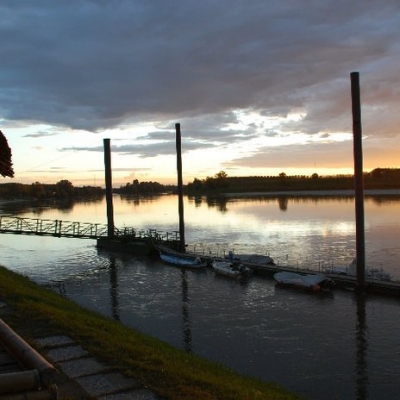
The river Po is placed in an area of ancient borders, transit for armies, and also represented a passageway for pilgrims from north to south. It is a land of cultural and gastronomic contamination where food acquires a specific identity through its own flavour.
This is true for the "Mustum ardens", which refers to Campanine or Rennet apple, fig or cherry “mostarda” (a mustard-flavoured syrup), among others. Our mostarda is usually combined with traditional dishes such as stews, “salumi” (cured meat) or Parmigiano Reggiano – our precious cheese, which was also requested by Charles V from Ferrante, prince of Guastalla, after tasting it during his journeys in these lands.
Themes such as biodiversity and preservation of fruits and vegetables, which make these lands proud and allow them to show their production qualities, gain more and more importance. These places accommodate both specialty crops and wide cultivations, such as corn – which plays a key role by feeding livestock farming involved in the Parmigiano Reggiano production process.